


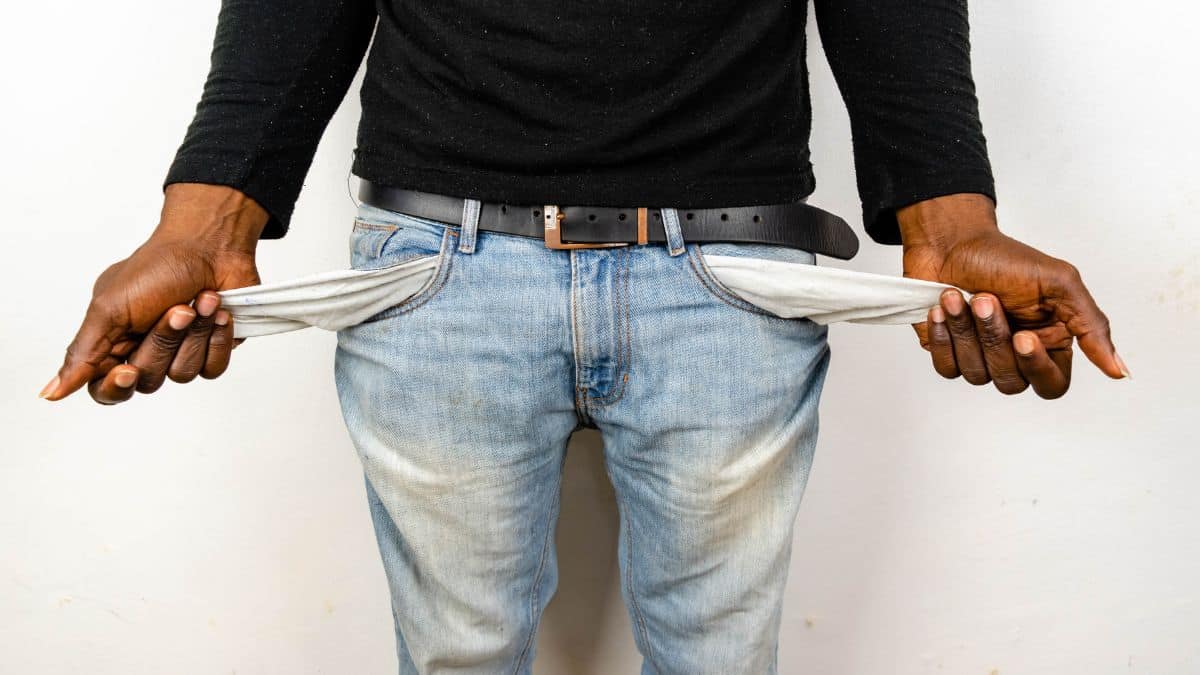
Economic confidence shows up in daily choices before appearing in surveys. Small decisions reveal true sentiment about financial futures. These behavioral indicators signal how people really feel about economic conditions. Here are ten everyday decisions that reveal how confident people feel about the economy.
Choosing Self-Checkout Over Cashier Lines

Self-checkout lane usage increased dramatically. People choose efficiency over potential job preservation. The willingness to eliminate service jobs through personal choices suggests economic self-interest overriding social concerns. Confident economies don’t see widespread shift to labor-eliminating options.
💸 Take Back Control of Your Finances in 2025 💸
Get Instant Access to our free mini course
5 DAYS TO A BETTER BUDGET
Using self-checkout prioritizes personal convenience over supporting employment. The mass adoption shows individuals focused on personal efficiency rather than collective economic health. When people consistently choose options that eliminate jobs, they’re not worried about their own employment security. Conversely, the choice might reflect resignation about job losses being inevitable regardless of individual choices.
Buying Generic Brands Exclusively

Store brand selection across all categories became universal. Brand loyalty disappeared completely. Every purchase decision prioritizes price over all other factors. The total abandonment of brand preferences signals a lack of discretionary spending capacity.
Confident consumers make choices based on preferences beyond price. Universal generic adoption shows price as the sole determining factor. Brand promises of quality or status hold no value when budgets are this tight. The death of brand loyalty in personal shopping reveals financial stress overriding all other considerations.
Timing Grocery Trips to Payday

Shopping patterns align strictly with income timing. Grocery purchases happen immediately after paychecks clear. Mid-cycle shopping stopped happening. The careful timing reveals a lack of a financial buffer between pay periods.
Economic confidence allows shopping whenever needed. Strict paycheck alignment shows zero financial margin. The inability to shop at convenient times reveals tight cash flow management. When grocery timing depends on deposit schedules, household finances operate at a survival level without flexibility. Those managing tight budgets schedule all purchases carefully.
Declining Spontaneous Social Invitations

Last-minute plans get declined consistently. Social participation requires advance notice for budget planning. Spontaneity disappeared from social lives. The inability to say yes to unexpected opportunities reveals eliminated discretionary funds.
Economic confidence enables spontaneous spending on social activities. Current pattern of declining unplanned invitations shows a lack of financial flexibility. Every dollar gets planned and allocated. Unbudgeted expenses become impossible regardless of the desire to participate. Social spontaneity requires financial margins that no longer exist for most people.
Checking Prices Before Clicking Purchase

Online shopping behavior changed dramatically. Nothing goes into carts without price verification. Comparison shopping happens for every item, regardless of cost. Impulse clicking ended completely. The careful consideration reveals heightened price sensitivity and financial caution.
Confident consumers add items to carts without checking every price. Current behavior shows that nothing gets bought without careful evaluation. Small purchases face the same scrutiny as major ones. The universal price checking reveals a lack of trust in the ability to absorb any unexpected costs. Every dollar matters when confidence is low.
Keeping Fuel Tanks at Minimum

Gas tanks run near empty before refilling. Full tank fills stopped happening. Partial fills of twenty dollars became standard. The behavior reflects an inability to spare cash for full tanks and uncertainty about future prices.
Keeping full tanks suggests comfortable cash flow. Current minimal tank behavior shows limited available cash at any moment. The partial fills optimize immediate cash conservation. The pattern reveals prioritizing current liquidity over convenience or efficiency. When people won’t fill gas tanks, every dollar in their pocket matters more than fuel reserves.
Hoarding Free Condiments and Supplies

Restaurant condiment packets get collected aggressively. Free supplies from anywhere get accumulated. Nothing free gets left behind, regardless of actual need. The hoarding behavior reveals a scarcity mindset and deep economic insecurity.
Confident consumers take what they need and leave the rest. The current aggressive collection of free items shows that every small saving matters. Ketchup packets, napkins, and any complimentary items get stockpiled. The behavior signals a feeling that nothing can be wasted and all free resources must be captured. Economic insecurity manifests in the accumulation of trivial free items.
Avoiding Discretionary Medical Care

Recommended treatments and checkups get postponed indefinitely. Only emergency care happens. Insurance gets used minimally despite having coverage. The healthcare rationing reveals the expectation of ongoing financial difficulty.
Economic confidence allows using healthcare as recommended. Current deferral shows expectation that tight budgets continue indefinitely. The willingness to risk health consequences indicates seeing no timeline for improved finances. When healthcare gets delayed despite insurance coverage, people expect prolonged financial constraint. Those experiencing financial pressure ration all non-emergency care.
Job Hopping Increased Frequency

Job tenure dropped dramatically. People change employment every year or two. Company loyalty disappeared completely. The constant job switching reveals both dissatisfaction and necessity-driven income seeking.
Economic confidence creates stable employment patterns. Current frequent changes show either deteriorating job conditions or desperate income seeking. The lack of concern about employment gaps suggests widespread hiring makes job security less important than pay increases. Alternatively, the pattern shows people feel that no loyalty pays off, so continuous searching for better offers makes sense.
Selling Possessions Regularly

Online marketplaces show constant selling activity. Items with any value get listed. The regular asset liquidation reveals chronic cash shortfalls requiring constant small income sources.
Confident households don’t continuously sell possessions. Current regular selling indicates an ongoing need to convert assets to cash. Belongings become emergency funds. The pattern reveals income inadequacy requiring supplementation through asset sales. When selling possessions becomes a regular activity rather than an occasional purge, finances operate at a survival level.
Behavioral Economic Indicators

Spending choices reveal more than surveys ever do. What people say often differs from how they actually act. When millions make the same careful moves, it signals shared concern. Current habits show people playing defense and expecting tough times ahead. Daily decisions reflect low confidence, even when public optimism sounds higher.
Common Budgeting Mistakes That Make You Feel Like You’re Saving (But Aren’t)

Budgeting is supposed to make your life easier and your wallet fatter. But sometimes, your efforts to save can backfire in ways you don’t even notice. You think you’re building a solid financial plan, but in reality, you’re just spinning your wheels. Here are some common budgeting mistakes that can trick you into thinking you’re saving when you’re not. Common Budgeting Mistakes That Make You Feel Like You’re Saving (But Aren’t)